
Bullying at School: Understanding Its Emotional Impact and How a Child Psychiatrist Can Help
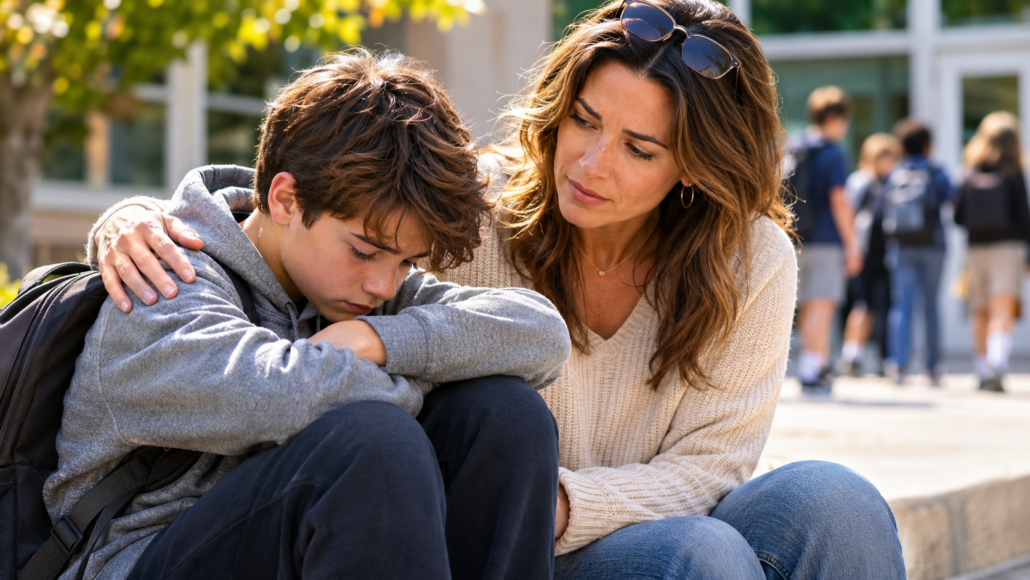
School should be a place where children feel safe, accepted, and supported. It is where they learn, develop friendships, discover their abilities, and build confidence. Unfortunately, for many children and adolescents, school can become a source of fear, anxiety, and emotional distress because of bullying.
Bullying is more than occasional teasing or disagreements between classmates. It involves repeated aggressive behavior, intimidation, exclusion, humiliation, or attempts to hurt or control another child. It can take many forms, including physical aggression, verbal harassment, social exclusion, spreading rumors, and cyberbullying through social media and online platforms.
For children experiencing bullying, the emotional consequences can be significant and sometimes long-lasting. Understanding these effects and recognizing when professional help is needed are important steps toward protecting a child’s emotional well-being.
For families in Scottsdale, Arizona, Dr. Fariba Pfitzner at Holistic Psychiatry Scottsdale provides compassionate child and adolescent psychiatric care for emotional, behavioral, and school-related challenges.
Recognizing the Signs That Your Child Is Being Bullied
Not every child feels comfortable telling their parents that they are being bullied. Some children feel embarrassed, ashamed, afraid of retaliation, or worried that telling an adult will make the situation worse.
As a result, parents may first notice changes in their child’s behavior rather than hearing directly about the bullying.
Some common warning signs include:
- Reluctance or refusal to go to school.
- Frequent stomachaches, headaches, or other physical complaints, particularly on school days.
- Increased anxiety, irritability, sadness, or emotional outbursts.
- Withdrawal from friends and family.
- Loss of interest in activities the child previously enjoyed.
- Changes in sleep patterns or appetite.
- Declining academic performance or difficulty concentrating.
- Low self-esteem, negative self-talk, or feelings of worthlessness.
- Unexplained injuries, damaged belongings, or missing personal items.
Some children become quiet and withdrawn, while others may become angry, argumentative, or emotionally reactive at home.
These symptoms do not necessarily mean a child is being bullied. However, persistent changes in behavior deserve attention and an opportunity for the child to talk openly about what is happening.
The Emotional and Psychological Effects of Bullying
Bullying can affect a child’s sense of safety, self-worth, and ability to trust others. Repeated negative experiences with peers may lead children to believe that something is wrong with them or that they do not belong.
Depending on the child’s age, personality, developmental stage, and available support, bullying may contribute to:
- Anxiety: Children may experience persistent worry, fear of encountering certain classmates, school avoidance, or panic symptoms. Learn more about anxiety and stress disorders.
- Depression: Repeated rejection, humiliation, and social isolation can contribute to sadness, hopelessness, loss of interest, and feelings of loneliness.
- Low self-esteem: Children may begin to internalize negative comments and develop an unfavorable view of themselves.
- Social difficulties: Some children become reluctant to make new friends, participate in group activities, or trust their peers.
- Academic difficulties: Anxiety and emotional distress can interfere with concentration, motivation, classroom participation, and school performance.
In some cases, bullying may contribute to more serious emotional difficulties, including trauma-related symptoms or thoughts of self-harm. These concerns should always be taken seriously and evaluated promptly.
If your child’s mood or behavior has changed significantly, professional evaluation can help identify whether depression or another mood disorder may be contributing to their difficulties.
Why Some Children Have a Harder Time Coping With Bullying
Every child responds differently to negative social experiences. Some children have the emotional resources and social support to cope relatively well, while others may be more vulnerable to the effects of bullying.
Children with ADHD, autism spectrum disorder, anxiety disorders, learning difficulties, or social communication challenges may experience additional difficulties navigating peer relationships.
For example, a child with Autism Spectrum Disorder may have difficulty interpreting social cues or recognizing when others are intentionally being unkind. A child with ADHD and attention difficulties may struggle with impulsivity or emotional regulation, potentially making peer interactions more challenging.
These differences do not make a child responsible for being bullied. No child deserves to be mistreated because of their personality, developmental differences, or individual challenges.
Understanding a child’s specific needs can help determine the most effective ways to support them.
How Can a Child Psychiatrist Help?
When bullying begins to affect a child’s emotional health, seeking help from a child and adolescent psychiatrist in Scottsdale can be an important step.
A psychiatrist can evaluate emotional and behavioral symptoms associated with bullying, identify underlying or emerging mental health concerns, and develop an individualized treatment plan.
1. Comprehensive Psychiatric Evaluation
An evaluation helps identify symptoms of anxiety, depression, trauma-related distress, sleep difficulties, or other conditions that may have developed or worsened in response to bullying.
It also provides an opportunity to understand the child’s developmental, emotional, academic, and social needs.
2. Individual Therapy and Emotional Support
Psychotherapy and emotional support can help children process their experiences, express difficult emotions, develop healthy coping strategies, and rebuild their confidence.
Children can learn how to respond to difficult social situations, recognize their personal strengths, and develop a healthier understanding of themselves.
3. Parent Guidance and Family Support
Parents often feel helpless when they discover their child is being bullied. They may be unsure whether to intervene, contact the school, or encourage their child to handle the situation independently.
Parent guidance can help families understand their child’s emotional needs, communicate more effectively, and provide appropriate support without unintentionally increasing the child’s anxiety.
4. Collaboration With Schools
When appropriate and with parental consent, collaboration with school counselors, teachers, administrators, and other professionals can be helpful.
Whether your child attends a school within the Scottsdale Unified School District (SUSD) or another school in the Scottsdale area, the goal is to ensure that bullying is addressed and that your child has an appropriate plan for safety and support.
Learn more about how psychiatric care may help with school performance and social difficulties.
5. Medication When Clinically Indicated
Medication is not a treatment for bullying itself. However, if a child develops a significant anxiety disorder, depression, or another psychiatric condition, medication may sometimes be considered as part of a comprehensive treatment plan.
The decision is individualized and based on a careful psychiatric assessment.
What Can Parents Do to Help Their Child?
One of the most important things parents can do is create an environment where their child feels comfortable sharing difficult experiences without fear of judgment or criticism.
Consider the following suggestions:
- Listen calmly and take your child’s concerns seriously.
- Reassure your child that being bullied is not their fault.
- Avoid minimizing the experience by saying things like “Just ignore them” or “You need to toughen up.”
- Encourage your child to identify trusted adults at school.
- Communicate with school personnel and request appropriate intervention.
- Help your child maintain friendships and participate in activities where they feel accepted and successful.
- Monitor changes in mood, sleep, appetite, school attendance, and social behavior.
- Seek professional help if emotional symptoms persist or begin interfering with daily functioning.
If a child reports threats, physical violence, sexual harassment, or immediate danger, parents should seek prompt intervention from the school and appropriate authorities. Any mention of suicidal thoughts or self-harm requires immediate attention and professional safety assessment. For an immediate emergency, call 911. In the United States, call or text 988 for crisis support.
Helping Children Regain Confidence and Feel Safe Again
Being bullied does not define a child’s identity, personality, or future. With appropriate support, children can process their experiences, develop emotional resilience, strengthen social skills, and regain confidence.
The goal of psychiatric care is not simply to help a child tolerate bullying. It is to address the emotional consequences, support healthy development, and help the child feel safe, valued, and confident again.
Every child deserves to feel safe at school, to have meaningful friendships, and to grow up knowing that they are worthy of respect and kindness.
If you notice changes in your child’s mood, behavior, school attendance, or self-esteem, do not hesitate to seek professional guidance. Early recognition and appropriate support can make a meaningful difference in a child’s emotional well-being and long-term development.
Frequently Asked Questions About Bullying and Children’s Mental Health
Can bullying cause anxiety or depression in children?
Yes. Repeated bullying can contribute to anxiety, depression, low self-esteem, and social withdrawal. Not every child develops a psychiatric condition, but persistent emotional symptoms should be evaluated by a qualified professional.
Why does my child cry or refuse to go to school?
School refusal or crying before school may be related to bullying, anxiety, social problems, academic challenges, or other concerns. Understanding the underlying cause is important before determining the most appropriate support.
How do I know if my child is being bullied at school?
Watch for sudden changes in mood, unexplained injuries, school avoidance, declining grades, withdrawal from friends, and frequent physical complaints. Talk openly with your child and communicate with school personnel when appropriate.
Can ADHD or autism make bullying more difficult for a child?
Some children with ADHD or autism may experience additional challenges with social communication, impulsivity, or emotional regulation. These differences can affect peer interactions but never justify bullying.
Should I contact my child’s school about bullying?
Yes. Document what your child reports and contact the appropriate teacher, counselor, or school administrator. Ask about the school’s procedures for responding to bullying and developing a safety plan.
When should I take my child to a psychiatrist because of bullying?
Consider professional evaluation when bullying is associated with persistent anxiety, depression, school avoidance, significant behavioral changes, sleep problems, or declining daily functioning. Safety concerns or statements about self-harm require immediate attention.
Concerned About Your Child’s Emotional Well-Being?
If your child or teenager is struggling with bullying, school anxiety, depression, difficulty making friends, or changes in behavior, professional psychiatric care may help your family better understand the underlying concerns.
Dr. Fariba Pfitzner provides personalized child and adolescent psychiatric care at Holistic Psychiatry Scottsdale, helping families address emotional, behavioral, and school-related challenges through a compassionate, whole-person approach.
Contact Holistic Psychiatry Scottsdale to Schedule an Appointment
About Holistic Psychiatry Scottsdale
Dr. Fariba Pfitzner is a board-certified psychiatrist specializing in child, adolescent, and adult psychiatry. At Holistic Psychiatry Scottsdale, she provides compassionate, individualized psychiatric care for children, teens, young adults, and families in Scottsdale, Arizona.
Dr. Pfitzner takes a holistic approach that considers emotional and physical well-being, family relationships, friendships, school performance, and the everyday experiences that influence mental health. Her goal is to help patients and families better understand their challenges and develop personalized approaches to emotional wellness and healthy development.
Psychiatric Services for Scottsdale Families
- ADHD & Attention Difficulties
- Autism Spectrum Disorder
- Anxiety & Stress Disorders
- Depression & Mood Disorders
- Behavioral & Emotional Challenges
- School & Social Difficulties
Learn more about our child and adolescent psychiatry services or contact our Scottsdale office to schedule an appointment.
This article is for general educational purposes and does not replace individualized medical advice, diagnosis, or treatment.

