My Child Refuses School in Scottsdale: What Parents Should Do
My Child Refuses School in Scottsdale: What Parents Should Do
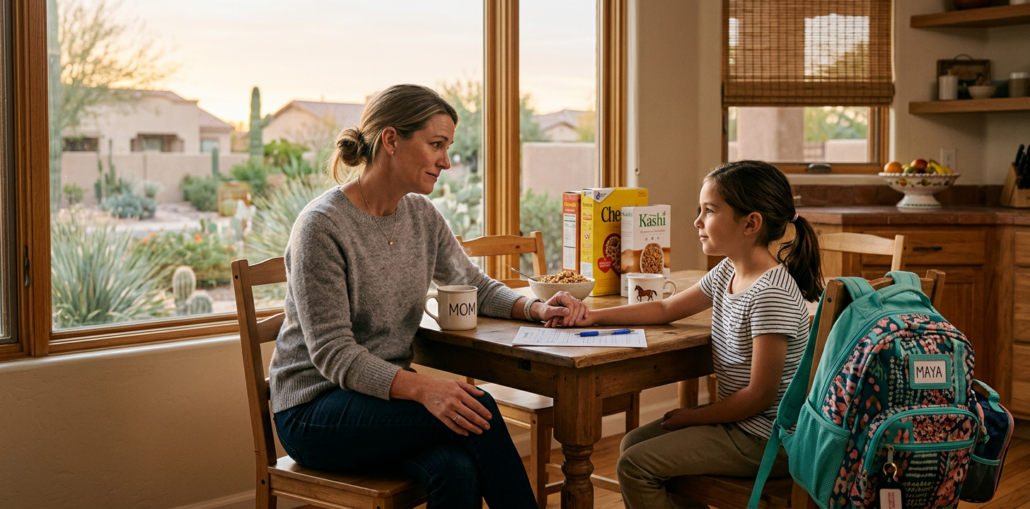
A child who refuses school is usually communicating that something feels too difficult, frightening, painful, or overwhelming. The behavior deserves calm attention, but it does not automatically mean your child is being defiant, has a psychiatric condition, or needs one particular type of treatment.
For Scottsdale parents, difficult school mornings can quickly become exhausting. Your child may cry, complain of a stomachache, hide under the covers, become angry, or refuse to get in the car. The most helpful first step is to look beneath the refusal with curiosity while also taking attendance and your child’s distress seriously.
The American Academy of Child and Adolescent Psychiatry estimates that school refusal affects about 1% to 5% of school-age children at some point, often around major transitions such as starting school or entering middle school. Read AACAP’s school refusal guidance. (aacap.org)
School Refusal Is a Pattern, Not a Diagnosis
School refusal describes a pattern of intense difficulty getting to or staying at school. It can be driven by anxiety, social stress, academic pressure, bullying, low mood, learning challenges, physical symptoms, developmental differences, or several concerns happening at once.
This is different from assuming your child is simply trying to avoid rules. A child who is refusing school may be deeply upset, embarrassed, scared, exhausted, or unable to explain what is wrong. Some children settle after arriving at school, while others become more distressed as the day gets closer.
It is also different from truancy. With school refusal, parents are typically aware of the problem and their child often shows significant distress about attending. The reason behind the avoidance matters because it helps shape the support your child may need. (aacap.org)
What Parents May Notice Before a Child Refuses School
School avoidance often builds over time, even if the refusal seems sudden. Notice patterns across mornings, weekends, certain classes, school events, friendships, sleep, and physical complaints.
Common signs can include:
- Crying, panic, anger, or shutdowns before leaving home
- Frequent stomachaches, headaches, nausea, or requests to visit the nurse
- Trouble falling asleep, nightmares, or needing a parent nearby at night
- Repeated reassurance-seeking about safety, grades, or being apart from family
- Avoiding a particular class, bus ride, hallway, lunch period, or activity
- Falling behind on work, refusing homework, or becoming highly perfectionistic
- Changes in friendships, isolation, irritability, or loss of interest in usual activities
- Requests to stay home that ease after the school day has begun
A pattern of physical symptoms before school should never be dismissed. Your child’s pediatrician can help rule out medical concerns, while a mental health evaluation can explore whether stress, anxiety, mood, attention, learning, social, or developmental factors may be contributing.
Why a Child May Refuse School in Scottsdale
There is no single explanation for school refusal. For many families, the answer is a combination of what is happening at school, what is happening emotionally, and what has changed in a child’s daily life.
Anxiety and separation worries
Anxiety can make a routine school day feel unsafe or impossible. A younger child may fear being away from a parent, worry that something bad will happen, or become distressed after a school break, illness, move, or family change.
Older children may be more worried about tests, presentations, crowded spaces, social judgment, making mistakes, or panic symptoms. Anxiety can also look like irritability, refusal, tears, stomach pain, or anger instead of a child saying, “I’m scared.” Learn more about anxiety and stress disorders in children and teens.
Bullying, friendship problems, or feeling unsafe
Children may not volunteer that they feel excluded, teased, threatened, or embarrassed. Ask gentle, direct questions about the bus, lunch, recess, group chats, bathrooms, locker rooms, and specific classmates or adults.
The AACAP notes that new school refusal in older children and teens may be connected to peer problems, bullying, depression, or emerging mental health concerns. (aacap.org) A school meeting can help parents gather a fuller picture without putting all the responsibility on the child to explain it alone.
Academic pressure, ADHD, or learning difficulties
A child may refuse school because work feels confusing, humiliating, or impossible to keep up with. Attention difficulties can affect organization, task completion, working memory, and the ability to begin work, but anxiety, learning differences, poor sleep, and depression can create similar struggles.
If your child dreads school because of unfinished assignments, frequent corrections, testing, or repeated discipline, consider exploring ADHD and attention difficulties alongside school-based learning supports. An evaluation can help clarify what is driving the difficulty rather than relying on guesswork.
Depression, exhaustion, or major changes in mood
Depression in children does not always look like sadness. It may show up as irritability, low energy, withdrawal, hopelessness, loss of motivation, sleep changes, or a noticeable decline in school engagement.
When a child who once enjoyed school no longer wants to see friends, participate in activities, or get out of bed, it is important to look closely at the whole picture. Our resource on depression and mood disorders explains signs families may want to discuss with a qualified professional.
Autism spectrum differences, sensory strain, or difficult transitions
For some children, a busy, noisy, socially demanding school day can be exhausting. Sensory discomfort, unexpected changes, difficulty reading social cues, rigid routines, or stressful transitions may make attendance harder over time.
Autism spectrum differences are only one possible consideration, and school refusal alone does not establish a diagnosis. Still, if your child seems overwhelmed by noise, crowds, transitions, or social expectations, information about autism spectrum disorder may be useful as part of a broader conversation.
What to Do During the First Week of School Refusal
The first few days should focus on safety, information-gathering, and a workable plan. Long arguments, shame, threats, or a series of improvised decisions can make a stressful morning even harder for everyone.
Keep the conversation calm and specific
Choose a lower-stress time, not the middle of a morning crisis. Instead of asking, “Why won’t you go?” try questions such as:
- “What is the hardest part of school right now?”
- “When do you start feeling worried about going?”
- “Is there a person, place, class, or time of day that feels bad?”
- “What would make the first hour feel more manageable?”
- “Are you worried about schoolwork, friends, safety, or something else?”
Listening does not mean agreeing that staying home is the long-term answer. It shows your child that you are working to understand the problem rather than treating them as the problem.
Contact the school early
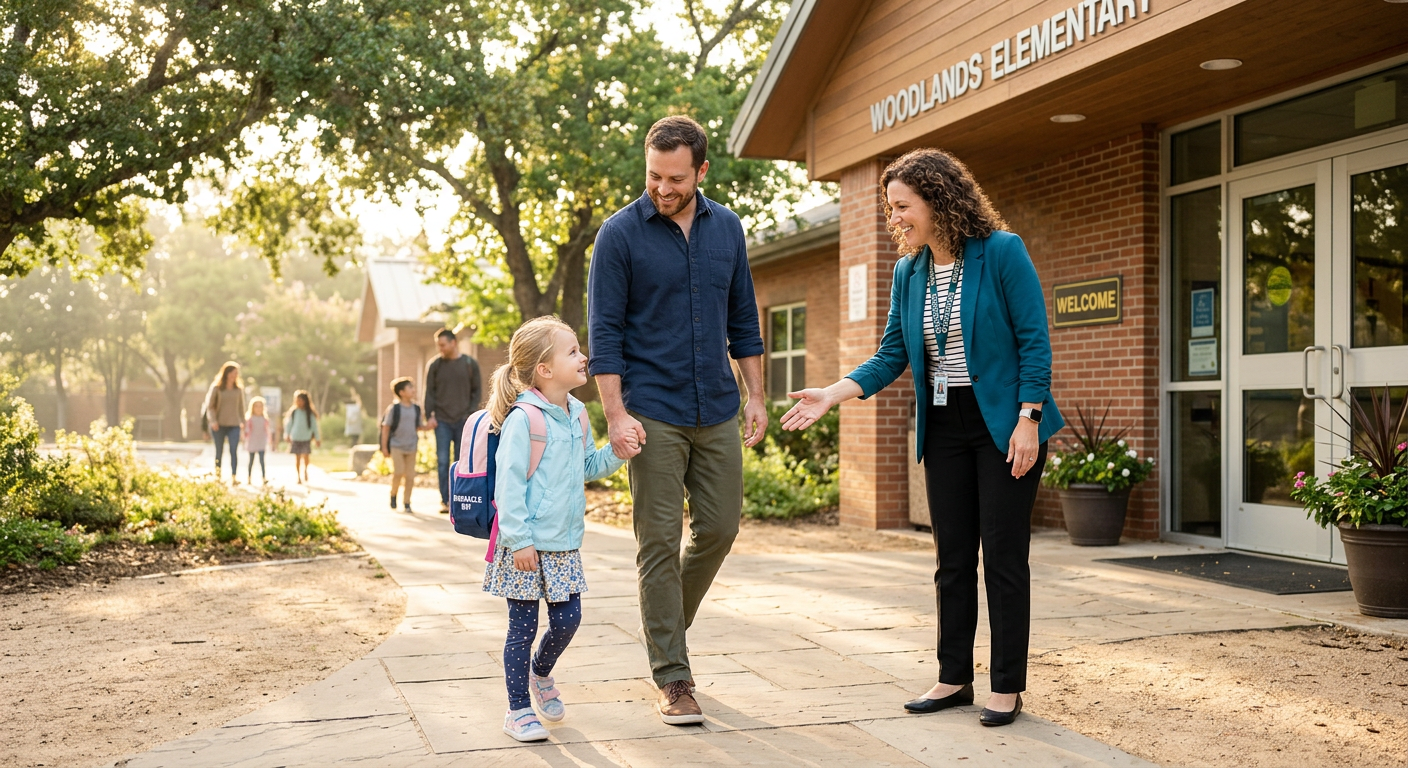
Reach out to your child’s teacher, counselor, attendance team, or administrator. Families in Scottsdale Unified School District schools can ask what staff members are observing, whether there have been peer concerns or academic changes, and who your child could check in with upon arrival.
Ask about practical options, such as a quieter arrival, a trusted adult meeting your child at the door, prioritized assignments, a check-in plan, or an appropriate school evaluation process. A coordinated plan is usually more effective than handling each morning as a separate emergency.
Make mornings predictable, not punitive
Prepare clothes, breakfast, transportation, and school materials the night before. Use short, calm statements in the morning and focus on one next step, such as getting dressed, getting into the car, or walking with a trusted adult to the office.
Avoiding every feared situation can bring immediate relief but can also make the next school day feel even bigger. At the same time, forcing a severely distressed child through the day without understanding what is happening can damage trust. A gradual, individualized plan with appropriate support can offer a more balanced path.
When a Psychiatric Evaluation May Be Appropriate
A child and adolescent psychiatric evaluation may be helpful when school refusal is persistent, worsening, affecting family life, or occurring alongside panic, severe emotional outbursts, depression, social withdrawal, behavior changes, or declining grades.
At Holistic Psychiatry Scottsdale, Dr. Fariba Pfitzner can evaluate emotional, behavioral, developmental, family, school, sleep, and health-related factors that may be affecting attendance. The goal is not to rush to a label or assume medication is needed. It is to understand the full pattern and develop personalized recommendations, including therapy coordination, school collaboration, family guidance, and medication management when clinically appropriate.
If your child talks about self-harm, suicide, wanting to die, or harming someone else, seek urgent help through emergency services, the nearest emergency department, or call or text 988 in the United States.
Questions Scottsdale Parents Ask About School Refusal
Is school refusal just a behavior problem?
No. A child may refuse school because they are anxious, overwhelmed, struggling socially, falling behind academically, dealing with a mood concern, or facing another difficulty. Clear expectations still matter, but support works best when parents also address the reason behind the behavior.
Can anxiety cause stomachaches before school?
Yes. Anxiety can cause very real physical symptoms, including nausea, stomach pain, headaches, shakiness, and fatigue. Because physical symptoms can also have medical causes, it is important to involve your child’s pediatrician when symptoms are frequent or concerning.
Should I make my child go to school if they are crying?
There is no one response that fits every child or every morning. Keep attendance as a goal, assess for safety and medical concerns, communicate with the school, and seek professional guidance if distress is intense or ongoing.
Could ADHD make my child refuse school?
It can contribute if your child feels overwhelmed by missed work, organization problems, repeated correction, or shame about school performance. ADHD is not the only possible explanation, so a comprehensive evaluation can help distinguish overlapping concerns.
What if my child attends school but spends the day in the nurse’s office?
That may still signal significant school avoidance or distress. Ask the school about the timing, triggers, physical complaints, peer interactions, and what happens before each nurse visit, then share that information with your child’s healthcare professionals.
Can a 504 Plan or IEP help with school refusal?
It may help when a child qualifies and needs accommodations or specialized support to access learning. Discuss your child’s needs with the school, because eligibility and available supports depend on the individual student and the school’s evaluation process.
How long should we wait before asking for help?
Do not wait for absences, conflict, or distress to become overwhelming. If refusal is recurring, escalating, or interfering with school, family routines, friendships, or emotional well-being, it is reasonable to seek guidance early.
Take the Next Step Toward a Clearer Plan
If your child is refusing school, you do not have to determine the cause on your own. Dr. Fariba Pfitzner provides child and adolescent psychiatric evaluation and family-centered care for Scottsdale, Arizona families who are facing school avoidance, anxiety, mood changes, attention concerns, behavior challenges, and social difficulties. Schedule an appointment with Holistic Psychiatry Scottsdale to discuss what may help your child move forward.
A Difficult Morning Can Be Important Information
School refusal can place enormous pressure on a family, but it is not a sign that you have failed as a parent. When you respond with compassion, clear expectations, school collaboration, and professional support when needed, you create more opportunities to understand what your child is experiencing.
The most useful question is often not, “How do we make this stop?” but, “What is making school feel so hard, and what support could help?” That shift can move a family from daily conflict toward a more informed plan.

About Holistic Psychiatry Scottsdale
Holistic Psychiatry Scottsdale, led by Dr. Fariba Pfitzner, provides personalized psychiatric care for children, adolescents, teenagers, and young adults in Scottsdale, Arizona.
Dr. Pfitzner works with families experiencing concerns involving ADHD and attention difficulties, anxiety and stress disorders, depression and mood disorders, Autism Spectrum Disorder, behavioral and emotional challenges, and school and social difficulties.
Care is individualized to the needs of each child and family, with the goal of understanding the factors affecting emotional health, behavior, relationships, development, and school performance. (holisticpsychiatryscottsdale.com)
Areas We Help With
- ADHD & Attention Difficulties
- Anxiety & Stress Disorders
- Depression & Mood Disorders
- Autism Spectrum Disorder
- Behavioral & Emotional Challenges
- School & Social Difficulties
Concerned about your child or teenager? Contact Holistic Psychiatry Scottsdale to schedule an appointment with Dr. Fariba Pfitzner.