Child Anxiety Treatment Scottsdale: When to Seek an Evaluation

When your child is worried, avoiding school, asking for repeated reassurance, or complaining of frequent stomachaches, it can be difficult to know what is normal stress and what may need more support. For families looking for child anxiety treatment Scottsdale options, the most helpful starting point is usually not a quick label. It is understanding how worry is affecting your child’s everyday life.
Anxiety can look very different from one child to another. One child may cry at bedtime, while another becomes irritable, refuses activities, freezes over homework, or says they feel sick on school mornings. These patterns may be related to anxiety, but they can also be affected by bullying, academic pressure, sleep problems, attention difficulties, developmental differences, low mood, family stress, or medical concerns. A thoughtful evaluation can help clarify what may be contributing.
When Childhood Worry May Need More Support
All children feel nervous sometimes. Concern becomes more important to explore when fear or worry is frequent, intense, difficult to calm, or begins limiting school, friendships, sleep, family routines, or activities your child once enjoyed.
The Centers for Disease Control and Prevention reports that 11% of U.S. children ages 3 to 17 had a current diagnosed anxiety problem based on 2023 to 2024 data. That number does not mean every worried child has an anxiety disorder. It does show that anxiety is a real concern for many families and deserves compassionate attention when it disrupts daily functioning.
Signs a parent may notice include:
- Frequent worries about school, safety, health, mistakes, or something bad happening
- Stomachaches, headaches, nausea, shaking, or racing heart sensations, particularly before stressful situations
- Avoiding school, social events, sleepovers, new activities, or leaving a parent
- Repeated requests for reassurance that do not seem to bring lasting comfort
- Perfectionism, procrastination, slow homework completion, or distress over small errors
- Trouble falling asleep, frequent nighttime fears, or exhaustion during the day
- Tearfulness, irritability, angry outbursts, shutting down, or seeming unusually clingy
A child does not need to show every sign for parents to ask for help. What matters most is the pattern, how long it has lasted, and whether it is getting in the way of your child’s life.
Anxiety Can Show Up as School, Behavior, or Physical Problems
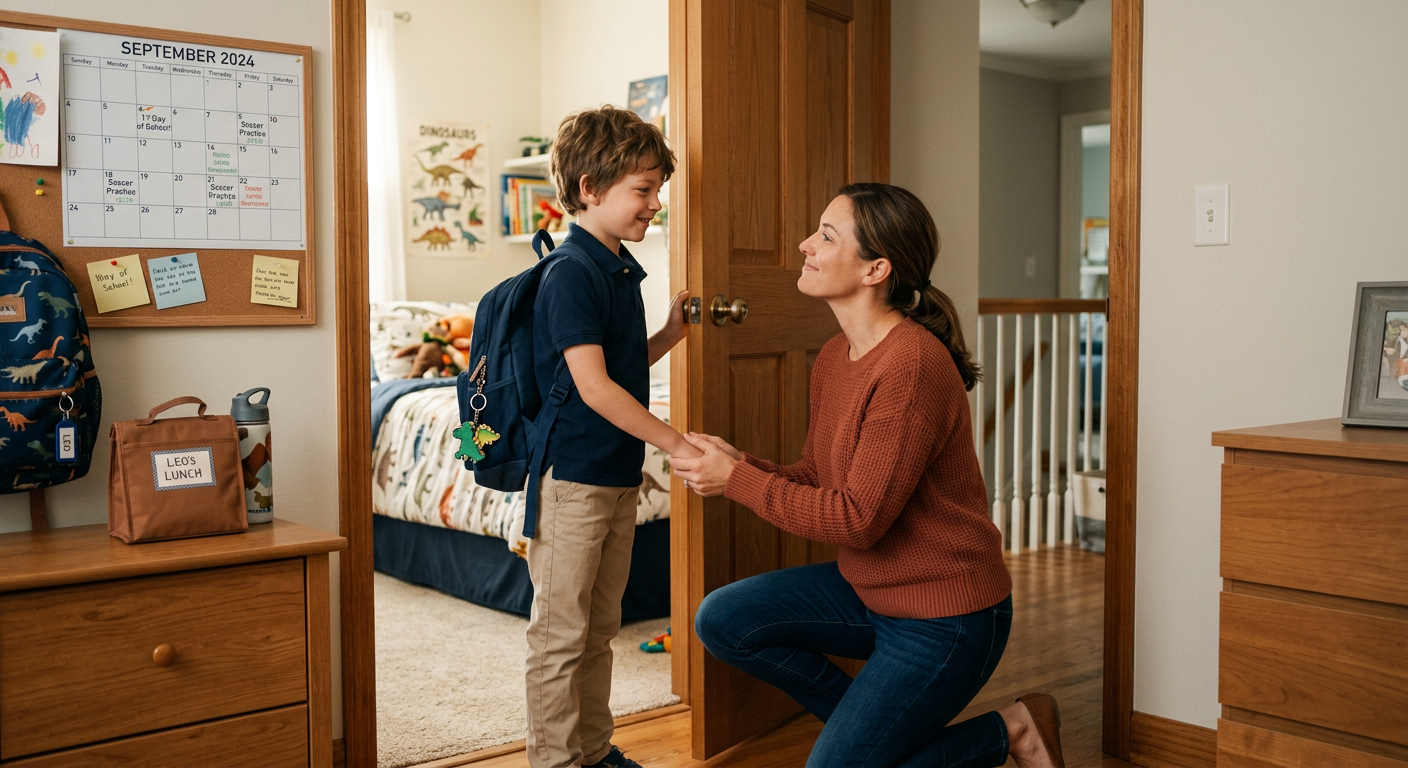
Children often communicate anxiety through behavior and physical symptoms before they have words for what they are feeling. A child who seems oppositional at 7:30 a.m. may be overwhelmed by fears about school, separation, friendships, tests, or a difficult class.
For Scottsdale families, it can help to look beyond a single difficult moment and notice when the pattern appears. Does your child become distressed only on school days? Is the worry strongest before presentations, lunch, recess, tests, sports, or bedtime? Is there a recent change in friendships, family routines, sleep, or academic expectations?
School avoidance and morning distress
Fear of school can be related to separation worries, social anxiety, bullying, academic struggles, sensory overload, panic-like symptoms, or concern about falling behind. It can also have causes unrelated to anxiety. Gathering information from your child and trusted school staff can help you understand what is happening without assuming the answer.
Parents of students in Scottsdale schools, including Scottsdale Unified School District schools, may find it useful to ask about attendance patterns, class participation, peer interactions, transitions, and unstructured times such as lunch or recess. You can explore additional support for school and social difficulties when anxiety is affecting attendance, confidence, learning, or friendships.
Anger, tears, and emotional outbursts
Anxiety is not always quiet. When a child feels trapped, rushed, embarrassed, or unable to manage a demand, the result may be arguing, tears, refusal, anger, or a meltdown. That does not mean every outburst is anxiety, but it is worth asking what happened just before the behavior and what the child may have been trying to avoid or communicate.
Parents can find more context through care for behavioral and emotional challenges, especially when difficult emotions are affecting home life, school, or relationships.
What Child Anxiety Treatment in Scottsdale May Include
Effective care for childhood anxiety is individualized. The goal is not to eliminate every uncomfortable feeling, because nervousness is a normal part of growing up. The goal is to help a child participate more fully in school, relationships, family life, and age-appropriate activities while building skills for managing worry.
A thorough psychiatric evaluation
A child and adolescent psychiatric evaluation considers the whole picture, not just one symptom. It may include discussions about your child’s worries, behavior, developmental and medical history, sleep, family history, school experience, friendships, strengths, prior supports, and any safety concerns.
This process can help distinguish anxiety from other contributors that may look similar, including ADHD, depression, learning concerns, autism spectrum differences, trauma responses, medical issues, or major life stress. Families can also learn more about the range of child and adolescent psychiatric services available for emotional, behavioral, developmental, and school-related concerns.
Therapy and coping skills
Therapy is often an important part of a treatment plan for anxiety. Cognitive behavioral therapy, commonly called CBT, can help children and teens recognize anxious thought patterns, practice calming strategies, and face feared situations gradually with appropriate support.
Younger children often benefit when parents are involved. Family participation can help adults respond consistently to reassurance-seeking, bedtime fears, avoidance, and school-morning distress without accidentally making the anxiety stronger.
Home and school supports
Small, consistent changes can reduce unnecessary stress and help children practice coping skills. Helpful approaches may include:
- Keeping morning and bedtime routines predictable
- Preparing clothes, backpacks, and school materials the night before
- Breaking large tasks into smaller, manageable steps
- Practicing calming skills during calm moments, not only during a crisis
- Listening without dismissing fears, while avoiding endless reassurance cycles
- Staying in communication with appropriate teachers, counselors, therapists, or medical professionals
Avoiding every difficult situation can sometimes reinforce anxiety over time. At the same time, forcing a child into a feared situation too quickly may increase distress. A gradual plan that fits the child’s age, needs, and circumstances is generally more useful.
Medication when clinically appropriate
Medication is not the first or only answer for every child with anxiety. In some situations, a child and adolescent psychiatrist may discuss medication as one part of a broader plan, particularly when symptoms are significantly interfering with daily life or other supports have not been enough.
Medication decisions should be individualized and carefully monitored. Parents should not start, stop, or change a child’s prescription medication without guidance from the prescribing clinician.

When We Recommend a Psychiatric Evaluation
A professional evaluation may be appropriate when anxiety is persistent, worsening, or making it hard for your child to attend school, sleep, separate from family, complete work, keep friends, or enjoy ordinary activities. It can also be helpful when you have tried supportive strategies and still feel stuck.
Consider scheduling an evaluation if your child has anxiety alongside any of the following:
- A significant decline in grades or school attendance
- Ongoing social withdrawal or loss of interest in favorite activities
- Panic-like episodes or intense physical symptoms of fear
- Persistent sadness, hopelessness, irritability, or major changes in behavior
- Problems with focus, organization, impulsivity, or unfinished schoolwork
- Strong fears related to food, contamination, health, safety, or harm
- Comments about self-harm, wanting to die, or hurting someone else
If your child talks about suicide, self-harm, or harming another person, or cannot be kept safe, seek emergency help immediately or call or text 988 in the United States.
At Holistic Psychiatry Scottsdale, Dr. Fariba Pfitzner provides family-centered psychiatric care for children, teens, and young adults. Her approach focuses on understanding the factors affecting a child’s emotions, behavior, development, relationships, and daily functioning before developing personalized recommendations.
Frequently Asked Questions
Can anxiety cause my child to feel sick before school?
Yes. Anxiety can contribute to real physical symptoms such as nausea, stomachaches, headaches, shakiness, or fatigue, especially before situations that feel stressful. Because physical symptoms can have medical causes too, it is important to discuss persistent or severe symptoms with an appropriate healthcare professional.
How long should I wait before seeking help for my child’s anxiety?
You do not need to wait for a specific amount of time if anxiety is significantly disrupting school, sleep, friendships, family routines, or your child’s sense of safety. An evaluation can be useful whenever concerns are persistent, escalating, or difficult for your family to manage.
Can ADHD and anxiety happen together?
They can occur together, and they may also look similar in some situations. A child who cannot focus may be distracted by worry, have attention difficulties, be struggling academically, or be affected by another concern. A comprehensive evaluation can help sort through the possibilities.
Is school refusal always caused by anxiety?
No. Anxiety can contribute to school refusal, but bullying, learning concerns, depression, physical illness, social difficulties, family stress, sleep problems, and other factors may also be involved. Understanding the specific reason is important before creating a plan.
What should I say when my child keeps asking for reassurance?
Start by acknowledging the feeling without arguing with it. You might say, “I can see this feels really scary,” then remind your child of a coping step or the plan you have practiced together. Reassurance can be comforting, but repeated reassurance alone may not resolve the underlying worry.
Will my child have to take medication for anxiety?
Not necessarily. Many children benefit from therapy, parent support, school coordination, routines, and coping skills. Medication may be considered in some situations after an individualized psychiatric evaluation and a careful discussion with the family.
Can a teenager hide anxiety from parents?
Yes. Some teens minimize their worries, isolate, overwork, become irritable, or use physical complaints rather than directly saying they feel anxious. A calm, nonjudgmental conversation and attention to changes in sleep, friendships, school functioning, and mood can help parents notice when more support may be needed.
Take the Next Step for Your Child
If your child or teenager is struggling with worry, school avoidance, sleep problems, physical symptoms of stress, or anxiety that is affecting daily life, you do not have to determine the cause alone. Schedule an appointment with Holistic Psychiatry Scottsdale to discuss child anxiety treatment Scottsdale families can access through a personalized psychiatric evaluation with Dr. Fariba Pfitzner.
A Clearer Path Forward
Persistent anxiety is not a sign that your child is weak, dramatic, or failing. It may be a signal that something in their emotional, social, academic, developmental, or physical world needs more understanding and support.
Paying attention to patterns, responding with calm consistency, and seeking professional guidance when anxiety interferes with life can give your family a clearer path forward. The right next step begins with understanding your child as a whole person, not reducing them to one difficult symptom.
About Holistic Psychiatry Scottsdale
Holistic Psychiatry Scottsdale, led by Dr. Fariba Pfitzner, provides personalized psychiatric care for children, adolescents, teenagers, and young adults in Scottsdale, Arizona.
Dr. Pfitzner works with families experiencing concerns involving ADHD and attention difficulties, anxiety and stress disorders, depression and mood disorders, Autism Spectrum Disorder, behavioral and emotional challenges, and school and social difficulties.
Care is individualized to the needs of each child and family, with the goal of understanding the factors affecting emotional health, behavior, relationships, development, and school performance.
Areas We Help With
- ADHD and Attention Difficulties
- Anxiety and Stress Disorders
- Depression and Mood Disorders
- Autism Spectrum Disorder
- Behavioral and Emotional Challenges
- School and Social Difficulties
Concerned about your child or teenager? Contact Holistic Psychiatry Scottsdale to schedule an appointment with Dr. Fariba Pfitzner.