Why Is My Child Having Trouble Making Friends at School? A Guide
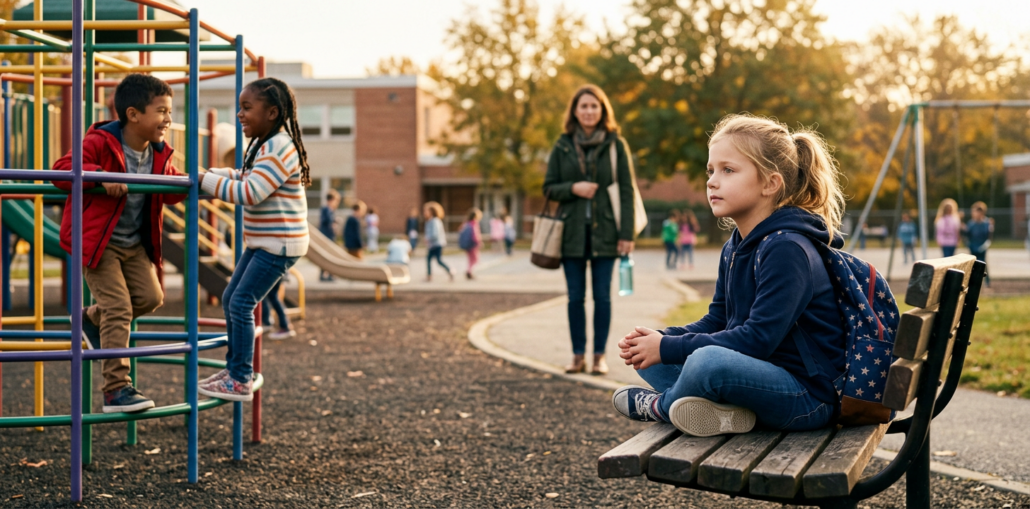
It can be heartbreaking to hear your child say, “Nobody likes me,” or to notice they spend recess, lunch, or group activities alone. Why is my child having trouble making friends at school? There is rarely one simple answer, but repeated social struggles are worth understanding with care and curiosity.
Some children need more time to warm up, while others may be dealing with anxiety, bullying, attention challenges, communication differences, emotional regulation difficulties, or a tough transition at school. The goal is not to label your child. It is to understand what is making friendships hard and give them meaningful support.
Why Is My Child Having Trouble Making Friends at School?
Friendship takes several skills working together at once. A child needs to notice social cues, start conversations, take turns, cope with disappointment, manage strong feelings, and recover after an awkward moment. Some kids learn these skills naturally through practice, while others need more guidance and time.
A difficult friendship season does not automatically mean something is seriously wrong. The American Academy of Pediatrics notes that most children experience friendship conflict or periods of feeling left out. Still, when loneliness, rejection, conflict, or avoidance becomes a consistent pattern, it deserves attention and support from caring adults. American Academy of Pediatrics
Your child may be in a challenging social environment
Sometimes the problem is not your child’s personality or behavior. Class dynamics can change quickly, especially after a move, a new school year, shifting friend groups, or a conflict that other students keep revisiting.
Bullying, teasing, exclusion, online drama, and cliques can also make a child pull away from peers. Ask gentle, specific questions instead of assuming your child is shy or uninterested. “Who did you sit with at lunch?” may be easier to answer than “Why don’t you have friends?”
Shyness can look like disinterest
A quiet child may want friends deeply but feel unable to make the first move. They may worry about saying the wrong thing, being rejected, or drawing attention to themselves.
Shyness is common, and many children become more comfortable after they know a setting and the people in it. However, when fear leads to avoiding class participation, parties, clubs, school, or conversations with peers, anxiety may be playing a larger role. HealthyChildren.org
Social Signs That May Need More Attention
Every child has an occasional hard day with classmates. We become more concerned when social stress affects your child’s mood, confidence, behavior, learning, or willingness to attend school.
Watch for patterns such as:
- Frequently saying they have no friends or that nobody likes them
- Eating alone, avoiding recess, or staying near adults instead of peers
- Coming home tearful, angry, exhausted, or unusually quiet after school
- Complaining of headaches, stomachaches, or feeling sick on school mornings
- Becoming intensely upset after minor peer disagreements
- Having repeated arguments, fights, or disciplinary problems with classmates
- Being left out of invitations, group work, games, or extracurricular activities
- Struggling to understand jokes, sarcasm, personal space, or unspoken rules
- Having a sudden drop in grades, concentration, or motivation
- Refusing school or expressing fear about lunch, recess, or social events
Conditions That Can Affect Friendships Without Defining Your Child
Friendship difficulties can come from many overlapping factors. A child may have a developmental, emotional, academic, or social challenge, or they may simply be going through a painful period with peers. A thoughtful evaluation looks at the whole child rather than jumping to one explanation.
ADHD and attention difficulties
Children with ADHD may be bright, caring, funny, and eager to connect, yet still struggle in fast-moving social situations. Interrupting, talking excessively, missing details, acting impulsively, losing track of group rules, or having trouble waiting for a turn can make peer interactions harder.
The Centers for Disease Control and Prevention explains that ADHD symptoms can affect relationships with friends as well as functioning at school and home. It also emphasizes that ADHD cannot be diagnosed with one test, because anxiety, sleep problems, learning differences, and other concerns can look similar. CDC ADHD symptoms
Autism spectrum differences and social communication
Autistic children and teens may want friendships but experience social interaction differently. They may find it hard to read facial expressions, understand indirect language, join a group already in progress, manage sensory overload, or shift away from a favorite topic.
The CDC identifies social communication and interaction differences as a core feature of autism spectrum disorder, while also noting that some people without autism can have similar traits. Current CDC monitoring data found that about one in 31 eight-year-old children at participating monitoring sites were identified with autism in 2022, although rates varied considerably across communities. CDC Community Report on Autism
A child who prefers solitary activities is not necessarily autistic. But when social communication differences, rigid routines, sensory sensitivities, or intense interests are affecting daily life, an evaluation may help clarify what support would be useful. Learn more about autism spectrum disorder support for children and adolescents.
Social anxiety and severe stress
Social anxiety is more than ordinary nervousness. A child may desperately want to join peers but freeze, avoid eye contact, rehearse every sentence, fear embarrassment, or feel physically sick before social situations.
For teens, social anxiety may look like avoiding school events, group projects, sports, sleepovers, or even messages from friends. Anxiety can also reduce concentration and make it difficult to be present in conversations. Parents can explore anxiety and stress disorders when worry is interfering with school, friendships, or family life.
Depression, low self-esteem, and emotional pain
A child who seems withdrawn, irritable, or uninterested in friends may be feeling sad, hopeless, exhausted, or emotionally overwhelmed. Depression does not always look like crying. In children and teens, it can show up as anger, low motivation, changes in sleep, isolation, or a sudden loss of interest in activities they once enjoyed.
Social struggles can contribute to low mood, and low mood can make social connection feel harder. If your child’s friendships are changing alongside sadness, major irritability, falling grades, or loss of interest, depression and mood disorder care may be appropriate.
What We Can Do at Home to Support Friendships
You cannot choose friends for your child, but you can help them develop confidence, emotional skills, and better opportunities for connection. Small, steady steps tend to work better than pressure.
Listen before offering solutions
Start with empathy. Your child may need to feel understood before they can hear advice.
Try phrases like:
- “That sounds really lonely.”
- “I’m glad you told me.”
- “Can you walk me through what happened?”
- “What would feel helpful from me right now?”
- “Would you like ideas, or do you mostly need me to listen?”
Avoid rushing to say, “Just go talk to someone.” For a child who feels rejected or anxious, that can sound much harder than it seems.
Practice one specific social skill at a time
General advice such as “be nicer” or “make friends” is too vague. Instead, choose one manageable skill to practice at home through role-play.
You might practice how to:
- Join a game by asking, “Can I play the next round?”
- Start a conversation with a shared interest
- Notice when someone else is ready to talk
- Take a pause before responding when frustrated
- Recover after a disagreement by saying, “I got upset. Can we try again?”
- Invite one classmate to a structured activity
The aim is not to make your child perform perfectly. It is to help them feel more prepared.
Create lower-pressure chances to connect
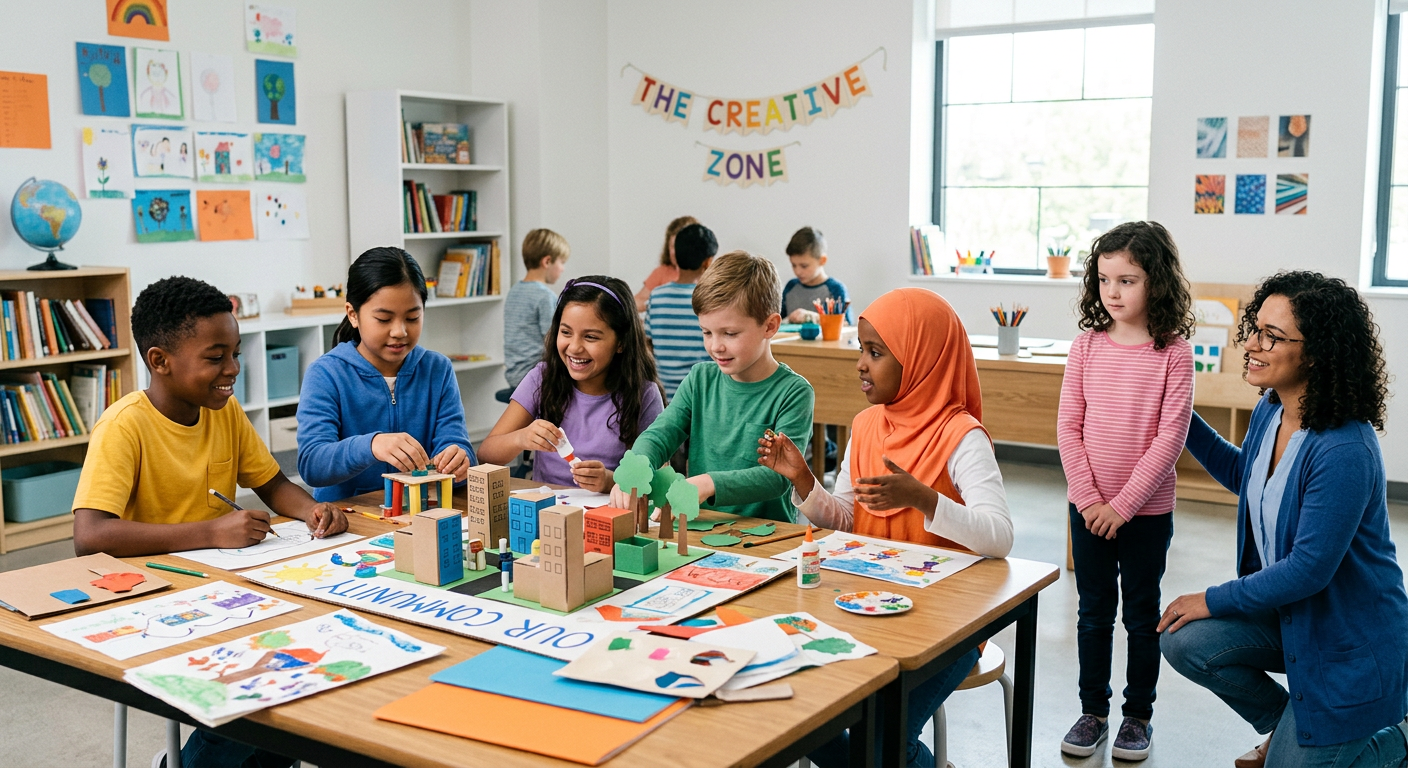
Large groups can be overwhelming, especially for shy, anxious, neurodivergent, or easily overstimulated children. A short, structured activity with one compatible peer is often a better starting point than an open-ended party.
Consider a board game, art activity, movie, sports outing, baking project, museum visit, or shared hobby. The American Academy of Pediatrics suggests that side-by-side activities can reduce pressure because children have something natural to talk about. Making Friends in High School
Talk with the school early
Teachers, counselors, and support staff may notice patterns that are not visible at home. Ask for specific observations, such as when the difficulty happens, which peers are involved, how your child responds, and whether there are successful moments you can build on.
For Scottsdale families, this may mean requesting a conversation with your child’s teacher or school support team before the problem grows. A calm, collaborative approach works best. Focus on understanding what is happening rather than assigning blame.
When a Psychiatric Evaluation May Help
Professional support can be useful when friendship problems are persistent, painful, or connected to other concerns. This is especially true when social difficulties occur alongside school avoidance, bullying, emotional outbursts, intense anxiety, attention problems, depression, declining academic performance, or behavior changes.
A child and adolescent psychiatric evaluation can consider your child’s developmental history, mood, attention, school experience, stressors, relationships, strengths, and family concerns. It does not assume that one issue explains everything. Instead, it can help determine whether ADHD, anxiety, autism spectrum differences, mood concerns, emotional regulation challenges, or another factor may be contributing.
At Holistic Psychiatry Scottsdale, Dr. Fariba Pfitzner provides personalized, family-centered psychiatric care for children, teens, and young adults. We work with families in Scottsdale, AZ, who are trying to understand why school, friendships, emotions, attention, or behavior have become harder.
Frequently Asked Questions
Is it normal for my child to have trouble making friends at school?
Yes. Many children go through periods of conflict, exclusion, shyness, or uncertainty with peers. It is more concerning when the difficulty lasts for months, causes significant distress, affects school attendance, or occurs with mood, behavior, or academic changes.
Can ADHD make it hard for a child to keep friends?
It can. Impulsivity, interrupting, emotional intensity, difficulty waiting, and missed social cues can all affect peer relationships. However, only a qualified professional can determine whether ADHD or another concern is involved.
Can autism make it difficult to make friends?
Autism can affect social communication, flexibility, sensory processing, and understanding of social expectations. Many autistic children and teens want meaningful relationships, but may need support finding social environments and communication approaches that fit their strengths.
Is my child being bullied or simply excluded?
Both experiences can be painful. Bullying usually involves repeated harmful behavior and a power imbalance, while exclusion may involve being left out of groups or activities. Ask for details, document patterns, and involve the school when your child is being targeted or feels unsafe.
What if my teenager says they do not care about having friends?
Some teens truly prefer a smaller social circle or more alone time. Still, it is helpful to ask whether they feel content, lonely, rejected, anxious, or discouraged. A sudden withdrawal from friends or activities may be more concerning than a long-standing preference for solitude.
Should I force my child to join activities?
Usually, pressure can make social anxiety or resistance worse. Instead, offer choices around activities connected to your child’s real interests, such as robotics, art, music, gaming, volunteering, sports, or theater. Shared interests can provide a more natural path to connection.
When should I worry about school refusal related to friendships?
Take it seriously if your child repeatedly refuses school, has physical complaints mainly on school days, cries before school, or identifies peers as the reason they do not want to attend. Social stress and bullying can contribute to school avoidance, and early support matters. School Avoidance Guidance
Take the Next Step With Support That Looks at the Whole Child
If your child is struggling with friendships, school, anxiety, attention, mood, or emotional outbursts, you do not have to figure out the cause alone. A compassionate evaluation can help you understand the patterns behind the behavior and identify practical next steps for your family.
Schedule an appointment with Holistic Psychiatry Scottsdale to discuss your child’s social and emotional concerns with Dr. Fariba Pfitzner.
A Stronger Path Forward for Your Child
Friendship struggles can feel urgent because they touch so much of a child’s daily life, confidence, and sense of belonging. But this challenge is not a verdict on who your child is or what their future relationships will look like.
With patient listening, school collaboration, small opportunities to practice, and professional support when needed, children and teens can build skills, confidence, and healthier connections over time. The most important first step is helping your child know they are not alone.
About Holistic Psychiatry Scottsdale
Holistic Psychiatry Scottsdale, led by Dr. Fariba Pfitzner, provides personalized psychiatric care for children, adolescents, teenagers, and young adults in Scottsdale, Arizona.
Dr. Pfitzner works with families experiencing concerns involving ADHD and attention difficulties, anxiety and stress disorders, depression and mood disorders, autism spectrum disorder, behavioral and emotional challenges, and school and social difficulties. Care is individualized to help families understand the factors affecting emotional health, behavior, development, relationships, and school performance.
Areas We Help With
- ADHD and attention difficulties
- Anxiety and stress disorders
- Depression and mood disorders
- Autism spectrum disorder
- Behavioral and emotional challenges
- School and social difficulties
Concerned about your child or teenager? Contact Holistic Psychiatry Scottsdale to schedule an appointment with Dr. Fariba Pfitzner.