School Anxiety: When Crying or Refusing School Is More Than a Phase
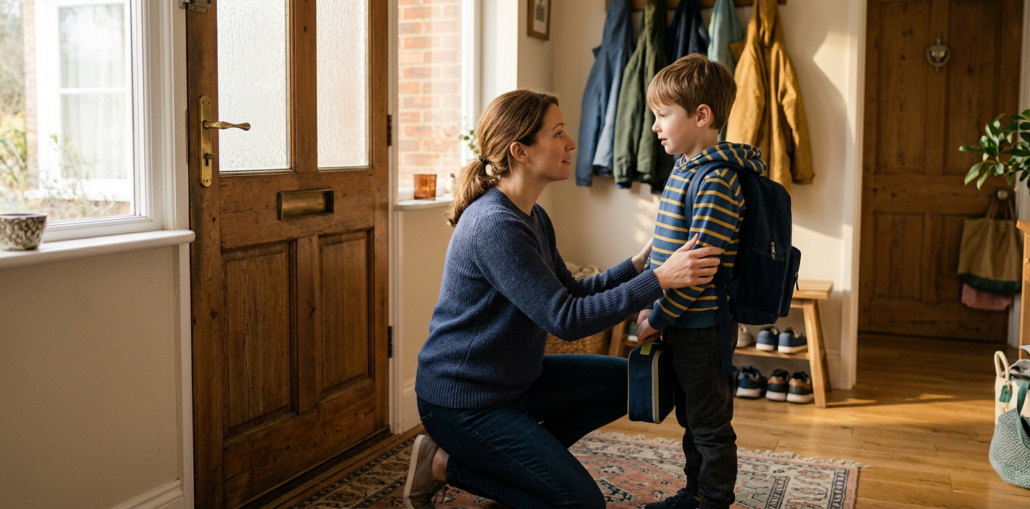
A tearful morning before school can leave parents feeling torn between compassion and concern. Many children go through short periods of reluctance after a school break, a move, a difficult test, or a change in routine. But when the pattern repeats, grows more intense, or begins affecting attendance, friendships, sleep, and family life, school anxiety may be more than a passing phase.
We want parents to know this first: a child who cries, complains of a stomachache, freezes at the door, or refuses to get out of the car may be communicating real distress. The behavior does not automatically point to one diagnosis, and it is not always defiance. It can be a sign that something at school, at home, or within your child’s emotional world needs closer attention.
When School Anxiety Is More Than a Short-Lived Adjustment
A child may be anxious about school for many reasons, including separation from a parent, academic pressure, bullying, social conflict, sensory overwhelm, trouble concentrating, or fear of making a mistake. For some children, the worry is strongest before leaving home. For others, it builds Sunday night, appears during homework, or shows up as a sudden drop in grades and motivation.
The American Academy of Child and Adolescent Psychiatry notes that school refusal can include physical complaints such as headaches or stomachaches that appear before school and improve when a child is allowed to stay home. Their guidance also emphasizes that persistent fears, especially in older children and teens, may be connected to peer problems, bullying, anxiety, depression, or other behavioral health concerns. Read more in the American Academy of Child and Adolescent Psychiatry’s guidance on school refusal.
A short adjustment period may look like this
A brief transition can be uncomfortable but manageable. Your child may be nervous about a new classroom, teacher, or school year, yet still attend with reassurance and settle into the routine within a reasonable period.
They may have occasional worries, but they can still enjoy parts of their day, connect with friends, participate in activities, and recover after a tough morning.
A more serious pattern deserves attention
We encourage parents to take a closer look when distress is frequent, escalating, or disrupting daily life. Waiting for a child to simply “grow out of it” can make school avoidance harder to untangle, particularly when missed days begin to accumulate.
Signs that it may be time for more support include:
- Crying, panic, anger, or shutdowns before school on many mornings
- Repeated physical complaints that occur mainly on school days
- Refusing to get dressed, leave the house, enter the car, or walk into campus
- Frequent requests to stay home, leave early, or visit the nurse
- Trouble sleeping, nightmares, or intense worry the night before school
- A sudden decline in grades, homework completion, or class participation
- Pulling away from friends, clubs, sports, or previously enjoyed activities
- Fear of being judged, bullied, embarrassed, or separated from a parent
- Increased irritability, sadness, hopelessness, or emotional outbursts
- Missing school often enough that academic or social difficulties are growing

Why a Child May Cry or Refuse to Go to School
School avoidance is a behavior, not a diagnosis. The most useful question is not, “How do we make this stop?” but, “What is making school feel impossible or unsafe for my child right now?”
Anxiety and separation worries
Some children are afraid that something bad will happen to a parent, themselves, or another family member while they are apart. They may cling tightly, ask for repeated reassurance, or seem calm only after they have been allowed to stay home.
Anxiety can also center on performance. A child may fear reading aloud, taking tests, answering questions, being late, making mistakes, or disappointing teachers and parents. For more information about how anxiety can affect a child’s daily life, visit our page on anxiety and stress disorders in children and teens.
Social stress, bullying, or feeling left out
A child may not say, “I am being bullied” or “I have no one to sit with at lunch.” Instead, they may say they feel sick, want to change schools, or insist that they hate a particular class.
Friendship conflict, social media issues, teasing, exclusion, and fear of embarrassment can all make school feel overwhelming. This is especially common during the transition to middle school or high school, when social expectations can feel much more intense.
Depression or a major change in mood
Not every child with depression looks obviously sad. Some become irritable, exhausted, withdrawn, argumentative, or uninterested in school and activities they once enjoyed. A teen who is suddenly sleeping more, struggling to get out of bed, skipping class, or saying that nothing matters may need a thoughtful mental health evaluation.
The Centers for Disease Control and Prevention reported that twenty-one percent of adolescents experienced anxiety symptoms and seventeen percent experienced depression symptoms during a recent two-week period. Those numbers are a reminder that emotional symptoms can affect school attendance and performance, and they deserve to be taken seriously. Learn more in the CDC report on adolescent mental health and protective factors.
Attention, learning, or executive-function difficulties
For a child with attention difficulties, school can become a daily cycle of missed instructions, incomplete work, criticism, and frustration. Homework may take hours. A student may feel constantly behind, even when they are bright and trying hard.
ADHD does not automatically explain school refusal, but unmanaged attention problems can contribute to academic stress and low confidence. Our page on ADHD and attention difficulties explains how attention concerns can affect school, behavior, and family routines.
Sensory, developmental, or routine-related challenges
Children with autism spectrum differences or sensory sensitivities may find noisy hallways, crowded cafeterias, schedule changes, group work, and unstructured social time especially demanding. What looks like refusal may sometimes be a sign of overload, exhaustion, or difficulty communicating what feels hard.
A careful evaluation can help families understand whether sensory needs, social communication differences, rigidity around routines, anxiety, or another concern may be involved.
What We Recommend Parents Do First
When mornings are difficult, it is tempting to alternate between pleading, punishment, long negotiations, and letting your child stay home. Those reactions are understandable, but they can accidentally make the pattern more stressful for everyone.
Instead, focus on gathering information, responding calmly, and building a coordinated plan.
Listen for the specific fear
Choose a calm time, not the middle of a rushed morning, and ask open-ended questions. You might say, “We can see school feels really hard right now. What part of the day feels worst?” or “What do you worry might happen when you get there?”
Your child may not have a clear answer at first. Keep the conversation brief, nonjudgmental, and ongoing. Avoid promising that they can stay home before you understand the situation.
Look for patterns
Keep notes for a week or two about when symptoms happen and what seems connected to them. Pay attention to sleep, appetite, physical complaints, classroom subjects, peer interactions, attendance, major family changes, and online conflicts.
Patterns can help distinguish a temporary rough patch from a problem that needs more focused support. They also give you useful information to share with your child’s pediatrician, therapist, school team, or psychiatrist.
Contact the school early
Reach out to a teacher, counselor, or appropriate school staff member before absences become entrenched. Ask what they have noticed about your child’s mood, participation, friendships, academic work, and behavior.
For Scottsdale families, a respectful partnership with the child’s school can be especially helpful. The goal is not to blame the school or your child. It is to identify obstacles and create practical supports, such as a trusted adult for morning check-ins, a quieter arrival plan, a homework catch-up plan, or a gradual re-entry strategy.
Keep routines predictable
Prepare clothing, lunches, backpacks, and transportation plans the night before. Build in extra time so mornings are less rushed, and use short, calm reassurance rather than repeated debates.
A predictable routine will not solve every underlying issue, but it can reduce the pressure around an already difficult transition.
When to Consider a Child Psychiatric Evaluation
We recommend professional support when school avoidance is persistent, severe, worsening, or affecting your child’s ability to function. An evaluation can be particularly valuable if your child is missing substantial school, experiencing panic symptoms, withdrawing from friends, failing classes, having major behavior changes, or showing signs of depression.
At Holistic Psychiatry Scottsdale, Dr. Fariba Pfitzner works with children, adolescents, teens, and young adults experiencing anxiety, mood concerns, attention difficulties, behavioral challenges, and school-related struggles. A family-centered psychiatric evaluation can help clarify the factors contributing to the problem and guide an individualized plan.
That plan may involve coordination with therapists, pediatric providers, parents, and school professionals. Medication may be considered when clinically appropriate, but it is never the only question. Understanding your child’s symptoms, strengths, stressors, relationships, and school environment matters.
When School Refusal Needs Urgent Help
Take urgent action if your child talks about wanting to die, self-harm, feeling hopeless, or being unable to stay safe. Do not leave them alone with immediate safety concerns.
Call emergency services if there is immediate danger, or contact the 988 Suicide and Crisis Lifeline by call, text, or chat for confidential crisis support in the United States.
Questions Parents Often Ask
Is it normal for my child to cry before school?
Occasional crying can happen during transitions, after breaks, or when a child is overtired or worried about a specific event. It becomes more concerning when it is frequent, intense, or paired with physical symptoms, missed school, sleep problems, or a major change in mood or functioning.
Can anxiety cause stomachaches before school?
Yes. Anxiety can show up physically, including stomachaches, headaches, nausea, shaking, sweating, or needing frequent reassurance. Physical symptoms should still be discussed with your child’s medical provider, especially if they are severe, new, or occurring outside school-related situations.
Is my child being defiant if they refuse to go to school?
Sometimes children do resist limits, but intense school avoidance is not always simple defiance. A child may be overwhelmed by fear, social stress, depression, academic struggles, sensory discomfort, or another challenge they cannot fully explain.
Can bullying make a child refuse school?
Yes. Bullying, social exclusion, online conflict, or fear of embarrassment can make a child dread school. Ask direct but gentle questions, document concerns, and involve appropriate school staff promptly so the issue can be addressed.
Could ADHD be behind my child’s school problems?
ADHD can contribute to missed assignments, difficulty concentrating, poor organization, emotional frustration, and low confidence. However, it is only one possible factor, and a professional evaluation can help determine whether attention difficulties, anxiety, depression, learning concerns, or another issue is affecting your child.
Should I make my child go to school when they are panicking?
It is important to take panic seriously while also avoiding a pattern in which anxiety repeatedly determines whether your child attends. The safest and most effective approach depends on the child’s symptoms and circumstances. A qualified mental health professional can help your family create a realistic attendance and support plan.
Help Your Child Feel Heard and Supported
If your child is crying every morning, refusing school, or becoming increasingly distressed, you do not have to figure out the cause alone. Dr. Fariba Pfitzner provides compassionate child and adolescent psychiatric care for families in Scottsdale, AZ who are navigating anxiety, depression, attention concerns, emotional outbursts, and school difficulties.
You can schedule an appointment with Holistic Psychiatry Scottsdale to discuss what your child has been experiencing and explore whether a psychiatric evaluation may be helpful.
The Bottom Line
A difficult school morning does not mean your child is lazy, manipulative, or destined to fall behind. It may mean they need adults to look beneath the tears and refusal with curiosity, steadiness, and support.
The earlier we understand what is driving the distress, the sooner a child can receive the right help. Whether the concern involves anxiety, mood, friendships, bullying, attention, behavior, or academic pressure, a clear plan can help your family move forward.
About Holistic Psychiatry Scottsdale
Holistic Psychiatry Scottsdale, led by Dr. Fariba Pfitzner, provides personalized psychiatric care for children, adolescents, teenagers, and young adults in Scottsdale, Arizona.
Dr. Pfitzner works with families experiencing concerns involving ADHD and attention difficulties, anxiety and stress disorders, depression and mood disorders, autism spectrum disorder, behavioral and emotional challenges, and school and social difficulties.
Care is individualized to the needs of each child and family, with the goal of understanding the factors affecting emotional health, behavior, relationships, development, and school performance.
Areas We Help With
- ADHD and Attention Difficulties
- Anxiety and Stress Disorders
- Depression and Mood Disorders
- Autism Spectrum Disorder
- Behavioral and Emotional Challenges
- School and Social Difficulties
Concerned about your child or teenager? Contact Holistic Psychiatry Scottsdale to schedule an appointment with Dr. Fariba Pfitzner.