
My Child Is Being Bullied at School: Emotional Coping Help for Parents
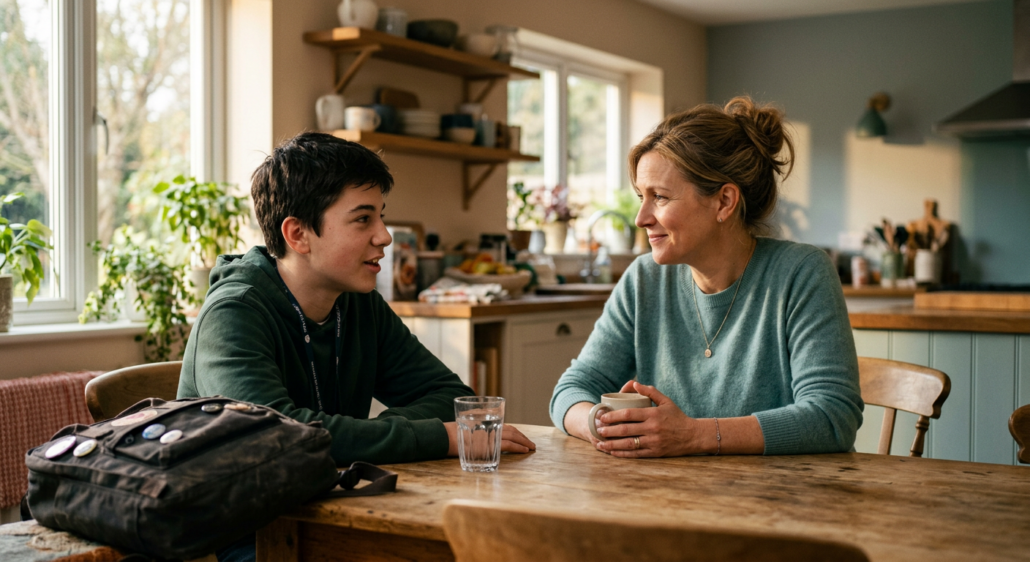
When your child says they are being bullied, the first instinct is often to fix it immediately. That protective response makes sense. But beyond stopping the behavior at school, your child may need help feeling safe, believed, and emotionally steady again.
My child is being bullied at school is one of the most painful concerns a parent can face. Bullying can affect a child’s confidence, friendships, sleep, mood, focus, and willingness to attend school. In the CDC’s 2023 Youth Risk Behavior Survey, 19 percent of high school students reported being bullied on school property during the previous year. CDC Youth Risk Behavior Survey
The most helpful message we can give a child is simple: “This is not your fault, and you do not have to handle it alone.” From there, we can create a plan that protects their safety while helping them cope with the emotional impact.
Start by Listening Without Rushing to Solve It
Children do not always tell parents about bullying right away. They may worry that adults will make things worse, feel embarrassed, blame themselves, or believe nothing will change. Some children may call it “drama,” “joking,” or “people being mean” rather than use the word bullying.
Try to make the first conversation feel calm and private. You do not need every detail in one sitting. Your child needs to know that you are taking them seriously.
Use questions that feel supportive
Instead of immediately asking, “Why didn’t you tell a teacher?” try questions like:
- “Can you tell me what happened?”
- “Who was there when it happened?”
- “Has this happened before?”
- “What part of the day feels hardest?”
- “What do you need from me right now?”
- “Would you like help figuring out what to say to an adult at school?”
Avoid suggesting that your child should simply ignore it, toughen up, or change something about themselves to prevent it. Those messages can unintentionally add shame to an experience that is already painful.
Know What Bullying Can Look Like
Bullying is more than a single disagreement, conflict, or rude comment. It generally involves unwanted aggressive behavior, a real or perceived power imbalance, and repetition or a likelihood that it will continue. StopBullying.gov explains the difference between bullying and ordinary peer conflict.
It can happen in ways that adults do not immediately see.
Common forms of bullying
- Physical bullying: Hitting, pushing, tripping, taking belongings, damaging property, or blocking a child’s path.
- Verbal bullying: Name-calling, threats, insults, teasing, humiliating comments, or comments about appearance, ability, identity, or family.
- Social bullying: Excluding a child, spreading rumors, encouraging others not to be friends with them, or embarrassing them publicly.
- Online bullying: Hurtful texts, group-chat messages, social media posts, videos, fake accounts, or sharing private images or information.
A child may experience more than one type. For example, a student may be excluded during the school day and then face cruel messages online later that evening. That ongoing stress can make it difficult for a child to ever feel that they get a break.
Watch for Emotional Signs That Need Attention
Some kids will clearly say they are scared, sad, or angry. Others may show distress through behavior or physical complaints. These signs do not prove bullying is occurring, but they are worth taking seriously, especially when they appear suddenly or continue.
Changes parents may notice
Your child may:
- Cry before school or ask to stay home frequently
- Develop headaches, stomachaches, nausea, or trouble sleeping
- Seem unusually irritable, withdrawn, or emotionally reactive
- Lose interest in hobbies, friends, sports, or family activities
- Have a drop in grades or trouble concentrating on homework
- Avoid the bus, cafeteria, locker room, recess, or certain classes
- Come home with damaged belongings or missing items
- Seem hypervigilant, checking their phone constantly or fearing notifications
- Make harsh comments about themselves, such as “Nobody likes me” or “I’m stupid”
Bullying can contribute to anxiety, sadness, social isolation, and school avoidance. It can also intensify challenges that were already present, including attention difficulties, emotional regulation problems, or trouble reading social situations. It is important not to assume one cause, though. A thoughtful evaluation can help clarify what your child is experiencing and what support may be most useful.
Help Your Child Regain a Sense of Control
Bullying can make children feel powerless. The goal is not to put the responsibility for stopping it on them. Instead, we want to give them safe choices, practical coping skills, and trusted adults who will act.
Create a simple safety plan together
Talk through what your child can do when bullying happens again. Keep the plan age-appropriate and realistic.
For example, your child may be able to:
- Move toward a teacher, staff member, friend, or supervised area
- Use a short phrase such as, “Stop. That is not okay.”
- Avoid responding to online cruelty and save evidence instead
- Identify safe places at school, such as the counselor’s office or library
- Ask to walk with a friend between classes
- Use a private signal or phrase to let you know they need help
For online bullying, save screenshots, dates, usernames, and messages before blocking or reporting an account. Documentation can help the school understand the pattern and respond more effectively.
Build emotional coping skills outside the moment
Your child also needs ways to settle their nervous system after a difficult day. You might practice slow breathing together, take a walk, play music, draw, shoot baskets, spend time with a pet, or create a predictable evening routine.
These strategies do not excuse bullying or replace adult intervention. They help your child feel less alone with the feelings that bullying can create.
Work With the School in a Clear, Calm Way
Parents sometimes worry that involving the school will make a child a bigger target. That concern is understandable. Still, repeated bullying, threats, physical aggression, harassment, or online behavior affecting the school environment should be brought to the attention of school staff.
Start with a factual written message to the teacher, counselor, assistant principal, or principal. Explain what happened, when it happened, who may have witnessed it, and how it is affecting your child.
Ask for specific support
Rather than only asking the school to “do something,” ask what steps can be taken to protect your child and monitor the situation. Depending on the circumstances, that may include:
- Increased adult supervision in problem areas
- A designated staff member your child can check in with
- Adjusted seating, classroom transitions, or lunch arrangements
- A plan for bus rides, recess, hallways, or after-school activities
- Follow-up communication with you after an agreed period
- Support from the school counselor or social worker
For Scottsdale families, communication with a child’s school or Scottsdale Unified School District campus should stay focused on safety, documentation, and a practical plan. Keep copies of emails and notes from meetings so you can track whether the situation improves.
Avoid These Common Responses, Even When You Mean Well
Parents want their child to be resilient. But some well-intended responses can make a child feel more isolated.
Try not to:
- Tell them to fight back physically
- Insist they ignore repeated behavior
- Contact the other child or family directly in anger
- Make promises you cannot control, such as “It will never happen again”
- Press for details when your child is overwhelmed
- Assume your child caused the bullying because they reacted strongly
Here’s the thing: resilience is not pretending something does not hurt. Real resilience grows when a child learns that they can ask for help, set boundaries, manage feelings, and rely on adults to protect them.
When Bullying May Be Affecting Mental Health
A child who is being bullied may become anxious, depressed, angry, withdrawn, or fearful of school. They may also have more meltdowns at home because they have spent the day holding in stress. These reactions deserve compassion, not punishment.
If your child’s mood, behavior, sleep, friendships, or school performance has changed noticeably, consider whether additional support is needed. Our page on school and social difficulties discusses how emotional and peer challenges can affect daily functioning.
Consider a professional evaluation when
It may be time to seek professional help if your child:
- Refuses school or has intense fear before school
- Shows ongoing sadness, hopelessness, panic, or isolation
- Has angry outbursts, fights, or behavior changes that feel out of character
- Is struggling significantly with concentration, homework, or grades
- Has worsening sleep, appetite changes, or frequent physical complaints
- Talks about self-harm, wanting to disappear, or not wanting to live
If your child talks about wanting to hurt themselves, someone else, or cannot stay safe, seek immediate emergency help or contact the 988 Suicide and Crisis Lifeline by calling or texting 988 in the United States.
A child and adolescent psychiatric evaluation does not assume that your child has a particular diagnosis. It provides time to understand the full picture, including bullying, anxiety, depression, attention concerns, developmental differences, school stress, family context, and emotional coping skills. Parents can learn more about anxiety and stress disorders, depression and mood disorders, and behavioral and emotional challenges that may overlap with school distress.
Frequently Asked Questions About Bullying and Emotional Coping
Should I tell the school if my child asks me not to?
Listen to why your child is worried and include them in the plan whenever possible. However, repeated bullying, threats, physical aggression, sexual harassment, or safety concerns generally need adult involvement. Let your child know what you plan to share and who you plan to contact.
Can bullying cause anxiety in a child?
It can contribute to anxiety, especially when a child feels unsafe, trapped, humiliated, or uncertain about when the next incident may happen. Anxiety may show up as school refusal, stomachaches, panic, irritability, trouble sleeping, or constant worry.
Can bullying cause depression in teenagers?
Bullying can be associated with sadness, low self-worth, withdrawal, hopelessness, and changes in motivation. But depression has multiple possible causes, so a qualified professional should evaluate persistent or severe symptoms.
What if my child is being bullied online after school?
Treat online bullying seriously. Save the messages or posts, use reporting and blocking tools, and contact the school when the behavior involves classmates or affects your child’s school experience. Help your child take breaks from the platform while maintaining supportive communication.
Should my child confront the student who is bullying them?
A direct response may be safe in some lower-risk situations, but it is not always appropriate or effective. Do not expect your child to handle a power imbalance alone. Focus on getting adult support and creating a safety plan.
How can I help my child rebuild confidence after bullying?
Make home a place where your child feels accepted and heard. Encourage relationships and activities where they feel competent, connected, and valued, whether that is art, sports, volunteering, gaming with trusted friends, music, or a club outside school.
Find Support for Your Child in Scottsdale
If your child or teen is struggling with bullying, school fear, anxiety, depression, withdrawal, anger, or changes in behavior, you do not have to figure out the next step alone. Dr. Fariba Pfitzner provides personalized child and adolescent psychiatric care for families in Scottsdale, AZ, with attention to each child’s emotional health, school experience, and family needs. Schedule an appointment with Holistic Psychiatry Scottsdale.
The Most Important Message to Give Your Child
Bullying can make a child question their worth, their friendships, and whether school is a safe place. Your steady belief in them matters more than you may realize. Listen closely, document what is happening, involve supportive adults, and pay attention to changes in their mood or daily functioning.
You do not need to solve every piece of this overnight. A calm, consistent plan can help your child feel protected while they rebuild confidence and emotional safety.
About Holistic Psychiatry Scottsdale
Holistic Psychiatry Scottsdale, led by Dr. Fariba Pfitzner, provides personalized psychiatric care for children, adolescents, teenagers, and young adults in Scottsdale, Arizona.
Dr. Pfitzner works with families experiencing concerns involving ADHD and attention difficulties, anxiety and stress disorders, depression and mood disorders, Autism Spectrum Disorder, behavioral and emotional challenges, and school and social difficulties.
Care is individualized to the needs of each child and family, with the goal of understanding the factors affecting emotional health, behavior, relationships, development, and school performance.
Areas We Help With
- ADHD and Attention Difficulties
- Anxiety and Stress Disorders
- Depression and Mood Disorders
- Autism Spectrum Disorder
- Behavioral and Emotional Challenges
- School and Social Difficulties
Concerned about your child or teenager? Contact Holistic Psychiatry Scottsdale to schedule an appointment with Dr. Fariba Pfitzner.

